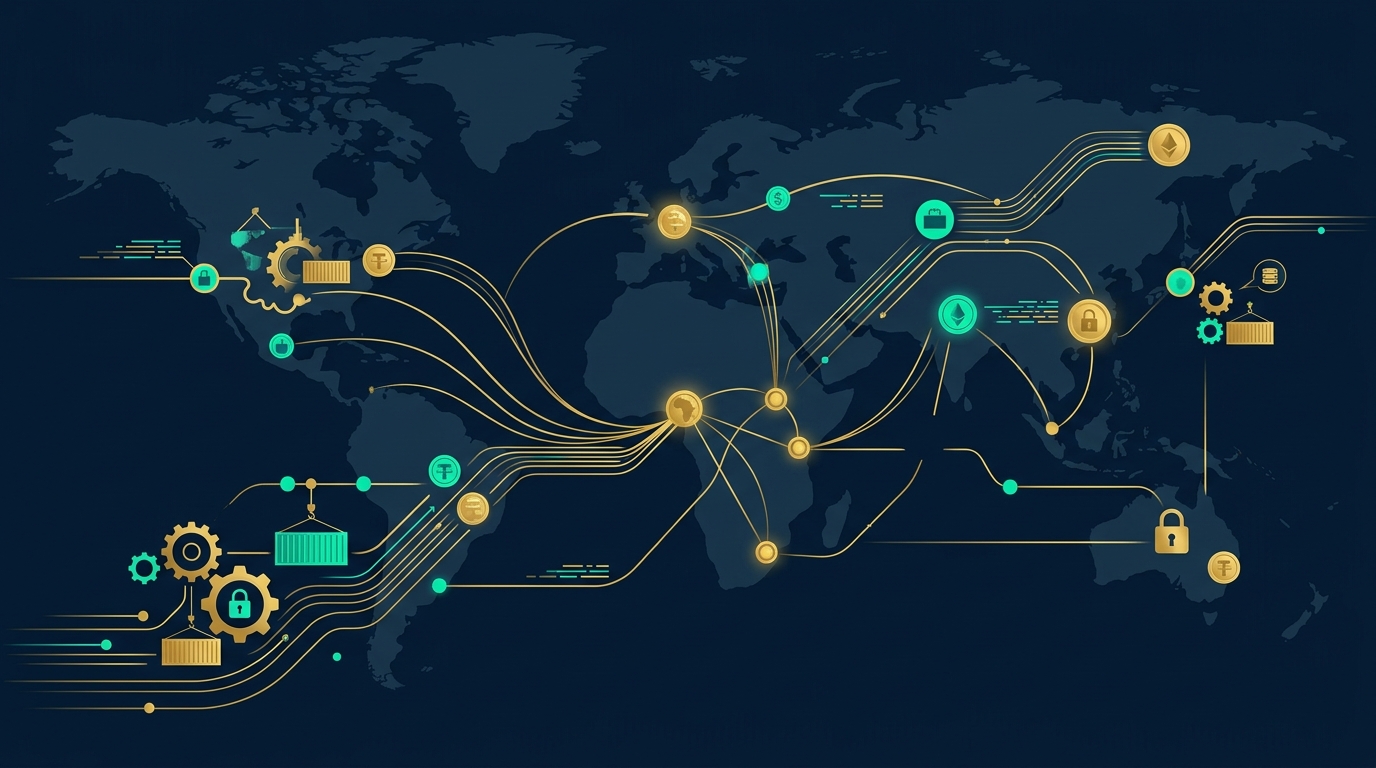
Stablecoin adoption is surging across Africa as businesses seek faster, more cost-effective alternatives to traditional cross-border payment rails. From SMEs in Lagos to exporters in Accra, USDT payments and other digital currencies are addressing the $120 billion trade finance gap while bypassing the inefficiencies of correspondent banking networks.
The rise of stablecoin payments in Africa is revolutionising cross-border transactions, primarily through USDT (Tether). As businesses adopt USDT, it provides stable value compared to volatile cryptocurrencies, lowering transaction costs and enhancing efficiency. This accelerates trade finance, particularly benefiting importers and business owners in Ghana and Nigeria.
TL;DR — Key Points
- ▸USDT adoption increases by 43% among African importers
- ▸Cut transaction costs by up to 70% with stablecoin payments
- ▸Optimise cross-border transactions using USDT for stability
- ▸Compare USDT to volatile cryptocurrencies for lesser risks
- ▸Leverage KEYBS PAY for faster and verified transactions
Why Stablecoins Are Gaining Traction in African Markets
African businesses have long grappled with the challenges of cross-border payments: delayed settlements, high fees, currency volatility, and limited access to foreign exchange. Stablecoins, particularly USDT (Tether), offer a compelling solution by combining the speed of digital transactions with price stability pegged to the US dollar.
In Nigeria, where businesses face foreign exchange restrictions and official exchange rates often diverge significantly from parallel market rates, stablecoin payments provide an efficient workaround. Similarly, Ghanaian importers are increasingly turning to digital currencies to settle invoices with international suppliers, reducing payment times from days to minutes.
USDT Payments: The Preferred Choice for African Businesses
USDT has emerged as the dominant stablecoin across African corridors for several key reasons:
- ▸Liquidity and accessibility: USDT is widely available on local and international exchanges, making it easy for businesses to buy crypto in Ghana, Nigeria, and other markets
- ▸Settlement speed: Transactions settle within minutes compared to 3-5 days for traditional bank transfers
- ▸Cost efficiency: Transaction fees typically range from $1-5, significantly lower than the 3-7% charged by traditional payment processors
- ▸Price stability: The 1:1 USD peg eliminates the volatility concerns associated with Bitcoin or other cryptocurrencies
- ▸24/7 availability: Unlike traditional banking systems, stablecoin networks operate continuously
Stablecoin Payments in Ghana: A Growing Ecosystem
Ghana has emerged as a regional leader in cryptocurrency adoption, with regulatory clarity from the Securities and Exchange Commission providing a framework for digital asset operations. Businesses seeking to buy crypto in Ghana now have access to multiple licensed platforms and over-the-counter desks.
Local traders are leveraging stablecoin payments to import goods from China, Turkey, and Europe while avoiding the delays associated with letters of credit and SWIFT transfers. This has proven particularly valuable for sectors requiring rapid inventory turnover, such as electronics, fashion, and automotive parts.
The Nigeria Payment Corridor: Africa's Largest Crypto Market
Nigeria consistently ranks among the world's top countries for cryptocurrency adoption by volume. Despite regulatory ambiguity and periodic banking restrictions, payments in Nigeria using stablecoins continue to thrive through peer-to-peer networks and specialized fintech platforms.
For Nigerian businesses, stablecoins serve multiple purposes:
- ▸Facilitating international trade settlements without accessing scarce official foreign exchange
- ▸Preserving capital value during naira depreciation
- ▸Enabling seamless payments to freelancers, suppliers, and service providers across borders
- ▸Providing an alternative to expensive money transfer services for diaspora remittances
Regulatory Landscape and Compliance Considerations
The regulatory environment for stablecoin Africa operations varies significantly by jurisdiction. While countries like Mauritius and South Africa have established clear frameworks, others maintain more cautious approaches. Businesses utilizing stablecoin payments must ensure compliance with:
- ▸Know Your Customer (KYC) and Anti-Money Laundering (AML) requirements
- ▸Tax reporting obligations for digital asset transactions
- ▸Foreign exchange regulations specific to each operating country
- ▸Record-keeping standards for audit and regulatory purposes
Treasury Management and Risk Mitigation
While stablecoins offer numerous advantages, businesses must implement robust treasury management practices. This includes maintaining appropriate reserves across both fiat and digital currencies, monitoring on-chain transaction confirmations, and partnering with reputable liquidity providers.
Smart treasury operations also involve timing conversions to optimize foreign exchange rates and structuring payment flows to minimize transaction costs while maintaining sufficient working capital flexibility.
The Future of Stablecoin Payments in Africa
As blockchain infrastructure improves and regulatory frameworks mature, stablecoin adoption is expected to accelerate across African markets. Emerging trends include:
- ▸Integration of stablecoin payment options by traditional banks and financial institutions
- ▸Development of Africa-focused stablecoins pegged to regional currencies or currency baskets
- ▸Enhanced payment rails combining stablecoins with instant settlement mechanisms
- ▸Greater institutional participation as compliance frameworks solidify
How KeyBS Facilitates Stablecoin Payments for African Businesses
At KeyBS, we understand the unique challenges facing businesses operating in African payment corridors. Our platform seamlessly integrates stablecoin payments with traditional foreign exchange services, providing businesses with the flexibility to optimize their cross-border transaction strategies.
Whether you're looking to streamline payments in Nigeria, buy crypto in Ghana for trade settlement, or establish efficient USDT payment channels across multiple African markets, KeyBS offers the infrastructure, compliance support, and liquidity access you need.
Ready to transform your cross-border payments with stablecoin solutions? Contact KeyBS today to discover how our treasury platform can reduce your transaction costs, accelerate settlement times, and unlock new opportunities across African markets.
Frequently Asked Questions
What is the rise of stablecoin payments in Africa?
The rise of stablecoin payments in Africa refers to the increasing adoption of digital stablecoins like USDT, providing a reliable medium for cross-border transactions. Stablecoins mitigate the volatility seen in other cryptocurrencies, hence attracting businesses in countries like Ghana and Nigeria for trade operations.
Why is USDT popular in Africa?
USDT is popular in Africa due to its stable value, pegged to the US dollar, which reduces the risk associated with currency fluctuations. It's a reliable medium of exchange for businesses looking for efficient and lower-cost cross-border transactions, especially in countries with unstable local currencies.
How is USDT transforming cross-border transactions?
USDT transforms cross-border transactions by offering a stable, efficient digital currency that reduces exchange rate risks and transaction fees. It's helping businesses overcome challenges related to currency volatility and making international trade more accessible and reliable, particularly in African countries.
Which African countries are using USDT for transactions?
African countries like Ghana and Nigeria are increasingly using USDT for transactions. Businesses in these regions prefer USDT due to its stability and efficiency in handling cross-border payments, which traditional methods struggle to provide affordably or reliably.
What are the benefits of stablecoin payments for African businesses?
Stablecoin payments provide African businesses with lower transaction costs, faster settlement times, and reduced volatility compared to traditional fiat currencies. This leads to improved cash flow and expands access to international trade, making stablecoins like USDT an attractive option for importers and exporters.
How does USDT reduce transaction costs?
USDT reduces transaction costs by eliminating the need for intermediaries and banks that charge high fees for currency conversion and international transfers. Its digital nature ensures faster processing, lower fees compared to traditional banking, and a more streamlined transaction process.
Is it safe to use USDT for cross-border payments?
Yes, using USDT for cross-border payments is generally safe when properly secured and transacted through reliable platforms. Its value stability and popularity among businesses enhance trust. However, ensure compliance with regulatory standards and utilise secure wallets to protect assets against potential cyber threats.
How can stablecoin payments impact African trade finance?
Stablecoin payments can significantly impact African trade finance by providing a more stable currency option that mitigates exchange rate risks, reduces transaction delays, and lowers costs. This can facilitate smoother operations for businesses engaged in import and export by stabilising cash flows and enhancing efficiency.