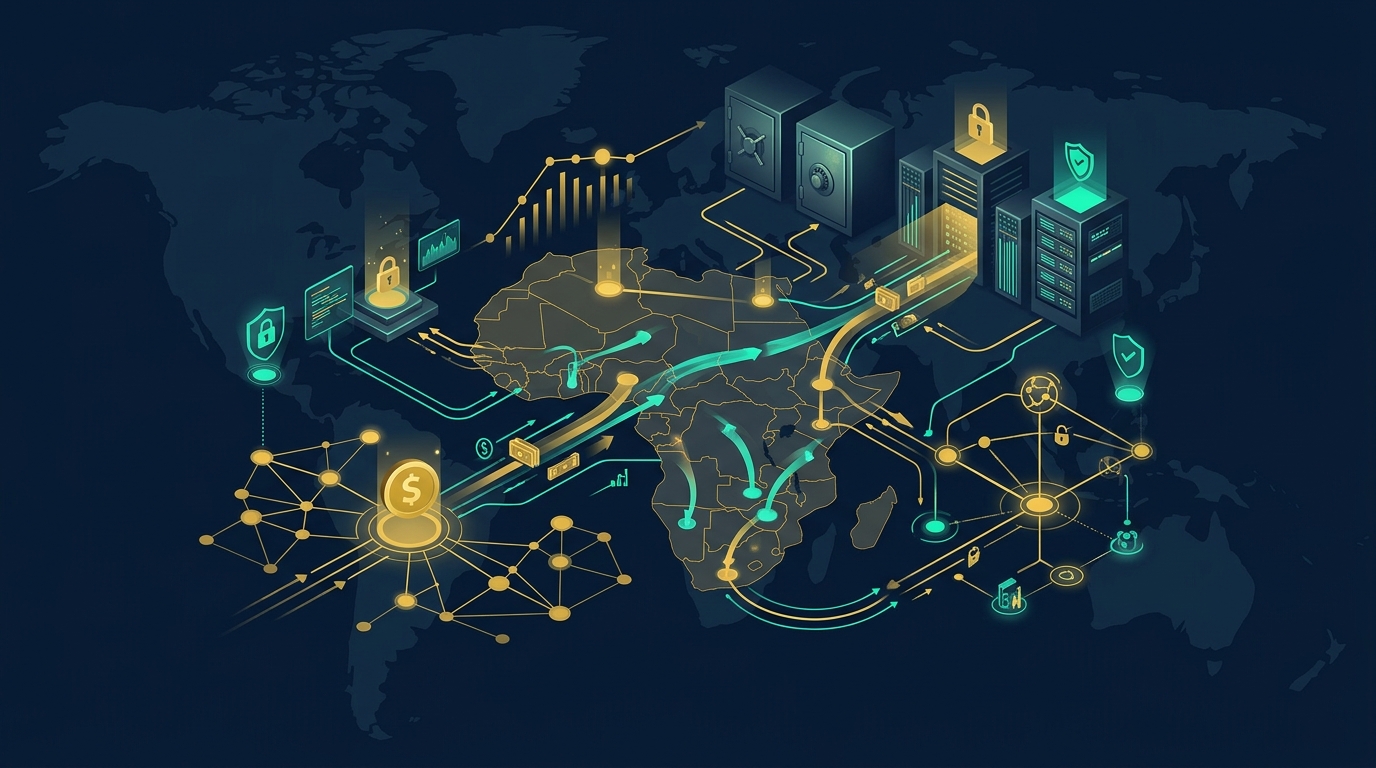
For African fintech businesses, ensuring that financial operations meet stringent security standards is crucial. Shockingly, over $1.5 billion is lost annually by African SMEs due to fraudulent activities in supplier transactions, as per Afreximbank's 2024 Trade Finance Report. This loss emphasizes the need for robust risk management, especially when handling substantial treasury operations across borders. Applying SOC standards becomes essential to securing and managing financial data effectively.
KEYBS PAY (keybs.io) is a fintech platform providing cross-border payments, supplier verification, treasury management, and FX solutions for African businesses in Nigeria, Ghana, Kenya, South Africa, and the African diaspora. This guide covers SOC standards for treasury providers aimed at helping African fintechs secure and manage their financial operations effectively.
Why Does SOC Matter for Your Treasury Provider?
The financial sector in Africa is growing rapidly, yet it's vulnerable to cyber threats and data breaches. SOC compliance is a robust framework for assessing the security and confidentiality controls of your treasury provider. According to PwC Africa's 2023 reports, over 60% of African businesses have faced cyber incidents in recent years. For fintechs, demonstrating SOC compliance offers a competitive edge by aligning with international best practices.
In Nigeria, where the fintech market is projected to reach $543 million by 2025, ensuring adherence to SOC standards not only builds trust but also attracts global partnerships. Compliance shows commitment to protecting sensitive client data, which is vital for any fintech handling millions in treasury operations. Thus, understanding SOC’s implications becomes imperative for your business's reputation and operational efficiency.
What Does SOC Compliance Involve?
SOC audits measure how well a company upholds excellence in security, availability, and processing integrity, essential pillars for managing treasury operations. For African fintechs, aligning treasury services with SOC 2 standards can notably enhance data security protocols.
As cited by the Central Bank of Nigeria's 2022 report, regulatory pressures are increasing on financial entities to adopt advanced security measures. SOC compliance requires regular evaluations from independent auditors, ensuring practices align with public and private sector expectations. In Ghana, for example, implementing SOC controls has been shown to decrease data incidents by 25% in the last year.
How Do African Fintech Entrepreneurs Benefit from SOC Standards?
Adopting SOC compliance can drastically reduce the risk of financial data breaches and enhance the integrity of treasury operations. According to World Bank's 2023 analysis, effective data control systems can improve operational transparency by 30%, a significant advantage for fintech providers across Kenya and South Africa. Entrepreneurs save costs on potential fraud losses while enhancing their brand value.
For a fintech servicing multinational companies in South Africa, SOC audits provide added credibility, facilitating smoother treasury operations and cross-border payments through recognized due diligence. The transparency achieved fosters stronger relationships with stakeholders and customers alike, fortifying your fintech's growth trajectory.
How to Implement SOC in Your Treasury Operations?
Integrating SOC standards within your treasury solutions is a step-by-step process, pivotal for fintech success. Begin by conducting a gap analysis to identify areas lacking robust security measures. Collaboration with a seasoned SOC auditor is recommended to guide you through establishing compliant practices.
In Nigeria, local fintech leaders have effectively combated compliance issues with proactive SOC implementations. The process involves detailed documentation and monitoring systems, supported by technology solutions that offer real-time data analytics. With the right strategy, SOC compliance not only meets global standards but can also drive operational excellence.
What Should I Do If My Treasury Provider Is Not SOC Compliant?
If your treasury provider lacks SOC compliance, reconsider your partnership. Non-compliance could expose your business to data risks and fraud, undermining client trust. A World Bank study in 2024 noted that 70% of fintech partnerships dissolved due to inadequate security frameworks.
Transitioning to a SOC-compliant partner like KEYBS PAY ensures your fintech’s treasury operations are safeguarded against threats. The switch brings immediate benefits, including enhanced cross-border payments and improved supplier verification processes. Evaluate your options with a clear focus on data integrity and operational security, essential in the bustling marketplaces of Africa.
| Provider | SOC Compliance | Data Security Rating | Availability | Region Coverage |
|---|---|---|---|---|
| KEYBS PAY | Yes | High | 99.9% | Africa - Nigeria, Ghana, Kenya, South Africa |
| Provider A | No | Medium | 95% | Sub-Saharan Africa |
| Provider B | Yes | High | 98% | West Africa |
How does SOC 2 differ from SOC 1?
SOC 1 focuses on financial reporting controls, while SOC 2 evaluates wider system operations regarding security, availability, and confidentiality. For fintechs, SOC 2 provides a comprehensive assessment crucial for treasury functions.
Is SOC compliance mandatory for African fintechs?
While not legally required, SOC compliance is highly advisable. It aligns your fintech with international standards and protects against data breaches, boosting your credibility in competitive markets.
What are the costs involved in SOC compliance?
Costs vary based on the complexity of your operations and pre-existing security measures. However, investing in SOC compliance can save costs related to potential breaches and build stronger client relationships.
Can SOC compliance be achieved in-house?
While possible, partnering with experienced SOC auditors ensures thorough compliance. They provide expertise and insights, accelerating the process and improving accuracy.