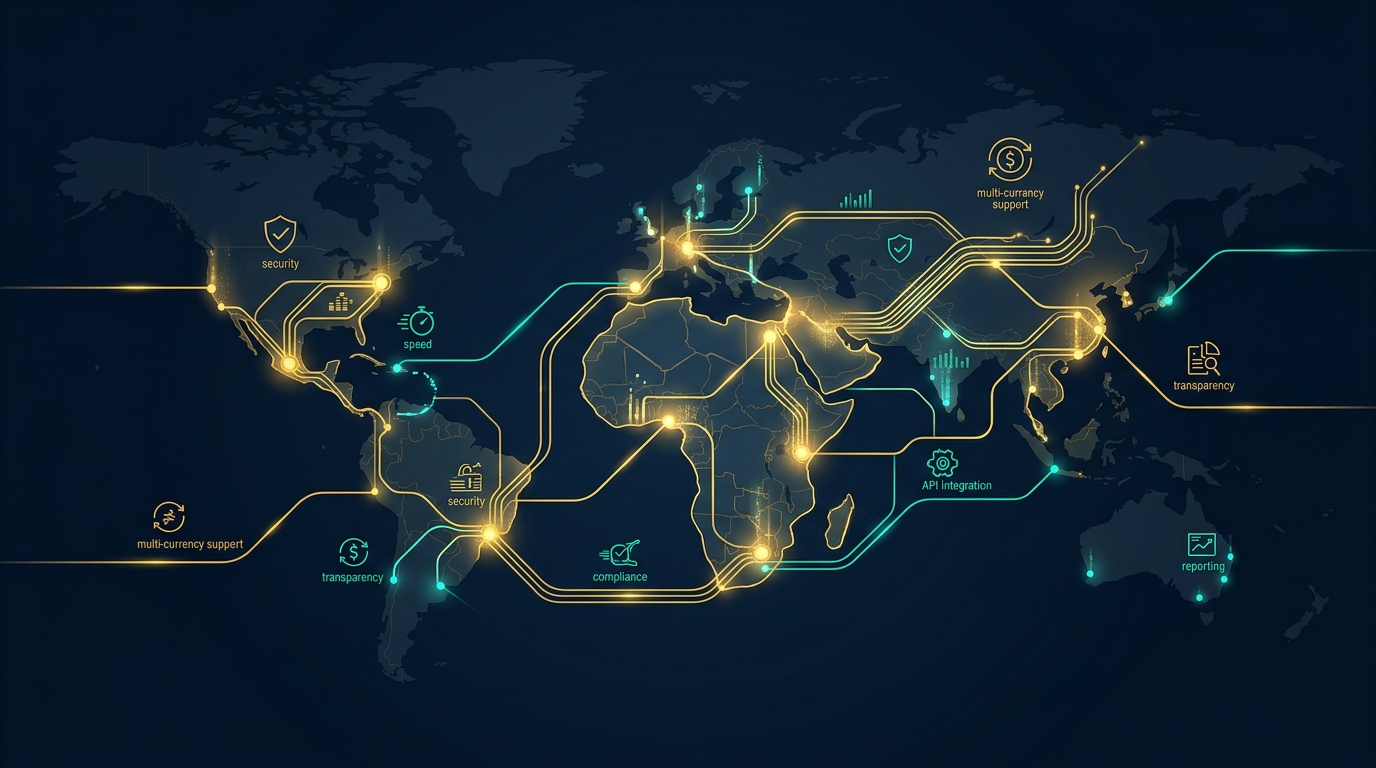
West Africa's trade finance landscape is undergoing a fundamental transformation. Digital platforms, API-driven banking infrastructure, and blockchain technology are converging to create a more accessible, efficient, and transparent financial system for the region's businesses.
Why Digital Trade Finance Matters More Than Ever
West Africa accounts for approximately 30% of sub-Saharan Africa's GDP, yet its businesses face some of the most significant trade finance barriers on the continent. According to ICC Banking Commission data, West African SMEs face trade finance rejection rates of over 45% — more than double the global average.
Digital solutions are beginning to address this by automating credit assessment, reducing documentation burden, and enabling new financing models that traditional banks cannot support.
Key Trends Shaping Digital Trade Finance
1. API-Driven Payment Infrastructure
Application Programming Interfaces (APIs) are enabling businesses to integrate payment infrastructure directly into their operations. A manufacturing company can now embed payment initiation, FX conversion, and settlement confirmation into their ERP system — triggering payments automatically when goods are shipped or invoices are approved.
2. Stablecoin Trade Settlement
The adoption of USDT and USDC as trade settlement currencies is growing rapidly across Nigeria, Ghana, Senegal, and Cameroon. Intra-African trade settled in stablecoins benefits from speed, cost efficiency, and elimination of multi-currency conversion friction.
3. Digital Invoice Financing
Fintech-driven invoice financing platforms are providing working capital to businesses against outstanding invoices — without the collateral requirements of traditional bank loans. A Senegalese exporter can receive 80% of an invoice's value within 48 hours of upload, enabling continuous production cycles.
4. Real-Time FX and Payments
Real-time gross settlement (RTGS) systems within national markets, combined with cross-border real-time payment corridors, are reducing settlement times from days to hours. The West African Monetary Zone (WAMZ) is actively developing regional real-time payment infrastructure.
5. KYC/AML Digitization
Digital identity and compliance verification is dramatically reducing the time to onboard new trading counterparties. What once required weeks of documentary review can now be completed in hours via automated KYC platforms.
The Road Ahead
The convergence of mobile money infrastructure, stablecoin adoption, and API-driven banking is creating unprecedented opportunities for West African businesses. Companies that embrace digital trade finance tools early will gain significant competitive advantages in terms of cost, speed, and market access.
KeyBS is at the forefront of this transformation, providing API-accessible cross-border payment infrastructure, crypto treasury services, and digital B2B payment solutions for businesses across West Africa and global markets.